




You found the right car, but it is several states away. You accepted a new job across the country, and driving both family vehicles would complicate the move. Or perhaps you need to send a classic car to a show without adding miles to its odometer. Whatever brings you to the question, “How do I ship my car?” the process begins with a few straightforward decisions.
Choose a transportation provider, request a quote based on your vehicle and route, select the appropriate trailer, and arrange pickup. Then prepare your car, document its condition, and inspect it when it arrives. Understanding these steps helps you plan your schedule and compare services with confidence.
This guide from See Site Now walks you through Car Transport from the first inquiry to the final delivery. You will learn what information to provide, which questions to ask, and how to avoid common misunderstandings about pricing, timing, and vehicle protection.
Start by Defining Your Car Shipping Needs
Before requesting estimates, think about what matters most for your shipment. Do you need the car collected before a flight? Is it being released by a dealership or auction? Does it require special handling because of its condition, dimensions, or value?
A clear description of your needs helps a provider propose a suitable service. It also makes comparing quotes easier because each company receives the same information.
Write down your pickup and delivery addresses, preferred pickup dates, and any delivery deadline. Include the vehicle’s year, make, model, and operating condition. Mention modifications such as oversized tires, a roof rack, a lowered suspension, or aftermarket bodywork.
If someone else will release or receive the vehicle, identify that person early. A seller, dealership employee, family member, or authorized representative may need to coordinate with the driver. Providing reliable contact information helps keep the transport process organized.
Choosing the Best Car Shipping Company for Your Needs
The best provider for your situation should be able to explain its service clearly and address your particular shipment. A competitive price matters, but so do appropriate equipment, realistic scheduling, and written terms you understand.
When comparing Auto Shippers, ask whether the business arranges transportation through other carriers, operates its own trucks, or does both. Find out who will communicate with you before pickup and who you should contact while the vehicle is traveling.
Pay attention to how the company answers questions. Does it explain the difference between a pickup window and a delivery estimate? Will it provide the assigned carrier’s information? Can it clarify payment requirements and cancellation terms without relying on vague assurances?
You can also explore customer reviews as part of your research. Look for specific descriptions of communication, scheduling, and problem resolution. A detailed account of how a shipment was handled is more informative than a rating alone.
Before booking, gather answers to these questions:
- Who will physically move my vehicle?
- What trailer and loading equipment will be used?
- What does the quoted price include?
- Which dates are estimates, and is any timing guaranteed in writing?
- When are payments due, and who receives them?
- What insurance documentation can I review?
- What happens if my plans change before pickup?
Keep the answers with your booking confirmation so you can refer to them throughout the shipment.
How to Get an Accurate Car Shipping Quote
A useful Car shipping quote starts with accurate details. A provider needs more than the distance between two cities to assess the shipment. Vehicle size, operating condition, requested equipment, access, and scheduling requirements can all affect the proposed service.
Provide pickup and delivery ZIP codes along with the vehicle’s year, make, and model. Explain whether it starts, steers, rolls, and brakes normally. If it does not, describe the issue rather than assuming the driver can work around it.
For example, a car with a dead battery presents a different loading situation from a vehicle with locked wheels. An accurate description gives the provider a chance to determine what equipment is needed before sending a truck.
Mention time restrictions at dealerships, auction facilities, gated communities, or storage locations. If a seller requires advance notice or will only release the vehicle after payment clears, include that information too.
Finally, request the quote in writing. Ask whether it is an estimate or a firm offer and what circumstances could change the price. Your shipping quote should help you understand the agreement, including any assumptions that still need to be confirmed.
Open Car Transport: Understanding the Option
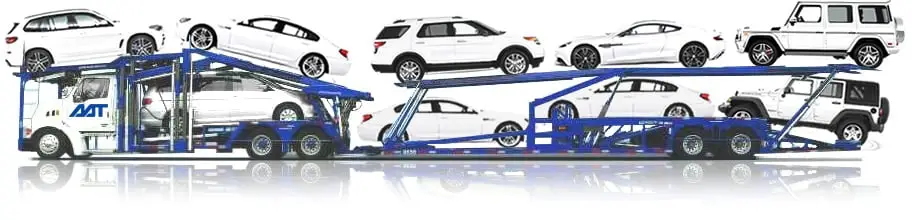
Open car transport moves vehicles on an uncovered trailer. Your car travels secured on the carrier while remaining exposed to outdoor conditions during the trip.
If you are considering this service for a sedan, SUV, pickup, or other everyday vehicle, ask about trailer suitability and loading arrangements. Vehicle dimensions and modifications matter even when the car appears otherwise straightforward to move.
Open transportation does not provide the same barrier against weather and outside debris as a covered trailer. You may need to wash off dust or road grime after delivery. Discuss any concerns about exterior exposure before selecting the service.
Ask for an open transport estimate alongside an enclosed estimate if you are undecided. Comparing actual offers for your route gives you a more useful basis for choosing than relying on a broad advertised price difference.
How Do I Ship a Car Enclosed?
To arrange enclosed Auto Shipping, specify that you want a covered trailer when requesting your quote. Explain why you are considering it, particularly if your car has low ground clearance, custom paint, unusual dimensions, or restoration work that requires attention.
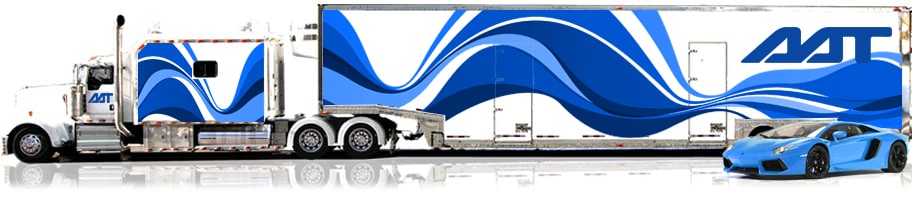
Enclosed carrier auto shipping places the vehicle inside a covered trailer, providing an additional barrier against outside exposure. This may suit an owner who places a high priority on keeping a vehicle sheltered during its journey.
However, enclosed transportation is not a promise of 100% protection. Loading, unloading, and travel still involve handling the vehicle, and insurance terms must be reviewed separately. A covered trailer and an insurance policy serve different purposes.
Ask whether the proposed trailer uses ramps or a lift gate and whether that equipment is suitable for your car. Also ask whether the vehicle will stay on the same trailer for the entire journey. If a transfer or temporary storage is planned, request an explanation of how it will be handled.
For a classic or collectible vehicle, provide clear operating instructions and photographs of any features the driver should understand before loading.
How Much Does It Cost to Ship a Car?
The most useful answer comes from a current quote for your actual shipment. A nationwide average cannot account for your precise route, vehicle, timing, and service requirements. Likewise, a single per-mile figure may overlook minimum charges or specialized handling.
When reviewing your options, ask the provider how the following details affect its price.
Pickup and Delivery Locations
Two trips of similar mileage may involve different scheduling and access requirements. A remote property, restricted street, or location far from the carrier’s planned route may require additional arrangements. Confirm the addresses before accepting the offer.
Vehicle Size and Condition
A compact car and a large modified truck require different amounts of space and may need different equipment. An inoperable vehicle also needs a loading plan. Disclose these details at the quote stage to avoid changes after booking.
Trailer Type
Ask for separate prices for open and enclosed service if you are comparing them. Make sure the dates, route, and vehicle information match so the comparison reflects the trailer choice rather than several changing variables.
Scheduling Requirements
A flexible pickup window gives the provider different planning options from a request tied to a specific day. Tell the company your actual deadline and ask what service it can offer within that constraint.
Other Charges
Ask about possible storage, unsuccessful pickup, special loading, cancellation, or rescheduling charges. You should understand when a fee could apply before it becomes relevant.
The goal is a complete price explanation. Compare what you receive for the money rather than choosing solely on the lowest initial number.
How Long Does Car Shipping Take?
There are two scheduling periods to understand: the time before pickup and the time the vehicle spends traveling after collection. Ask your provider to describe both separately.
A pickup window indicates when the carrier expects to collect the vehicle. A transit estimate describes the anticipated journey after loading. Neither should be interpreted as a guaranteed appointment unless the written agreement explicitly says so.
The driver’s route may include other pickups and deliveries. Traffic, weather, access issues, and changes at earlier stops can affect the schedule. Ask when you should expect the next update and how much notice you will receive before pickup and delivery.
Avoid building your entire relocation around an unconfirmed arrival date. If you need transportation immediately after reaching your destination, consider your temporary arrangements while the vehicle is in transit.
Tell the provider about any fixed event, flight, vehicle release deadline, or restricted receiving hours before booking. That information belongs in the planning conversation, not in a last-minute message after dispatch.
Can I Request Express Auto Shipping?
If timing is your priority, ask about express auto shipping for your route. Confirm availability and ask the provider to explain exactly what the proposed service changes.
“Express” may refer to a tighter pickup arrangement or another scheduling feature. It should not be assumed to mean guaranteed delivery on a particular day. Ask for the relevant commitment, price, and conditions in writing.
Explain the reason behind your deadline. A dealership storage charge, an upcoming flight, or a scheduled car show may require different planning. Knowing the actual constraint helps the provider discuss realistic options.
If your requested dates cannot be accommodated, ask whether changing the pickup location or expanding the window would help. Accept a revised plan only if it still meets your needs.
What Does Door-to-Door Shipping Mean?
Door-to-door Shipping aims to arrange collection and delivery close to the requested addresses. Confirm what that means for your specific locations, because a large carrier may not be able to reach every driveway or residential street.
Narrow roads, tight turns, low branches, gates, and limited unloading space can complicate access. Tell the company about any known restrictions before the driver approaches the property.
If a nearby meeting point is necessary, agree on a place where the carrier can safely stop and load or unload with permission. Confirm how you and the vehicle will get to or from that location.
Do not assume a terminal is available or will reduce the price. If you are considering terminal service, ask about its location, operating hours, storage arrangements, fees, and vehicle release procedures before choosing it.
How to Prepare Your Car for Transport
Preparation helps the pickup go smoothly and gives you a clear record of the car’s condition. Begin a little ahead of time so you can resolve questions before the truck arrives.
Clean and Photograph the Vehicle
Wash the exterior so existing marks are visible. Photograph the front, rear, both sides, wheels, glass, and any visible damage. Take wider views as well as close-ups so each mark can be located easily.
Photograph the interior and odometer too. Keep the original files and make sure you can access them at delivery.
Remove Loose Items
Remove valuables, important documents, electronics, and personal necessities. Ask the carrier for its written policy before leaving belongings inside the car. Permission to carry items does not automatically establish that they are insured.
Follow the Carrier’s Instructions
Request instructions for fuel level, alarms, toll tags, removable accessories, and keys. Tell the provider about leaks or mechanical problems. If the vehicle requires a special starting sequence or other unusual operation, supply clear directions.
Arrange an Authorized Contact
If you cannot attend pickup, confirm how to authorize someone else. Give that person the booking details, preparation photographs, and driver contact information so they can assist with the inspection and paperwork.
For additional preparation questions, visit the See Site Now Frequently Asked Questions page and confirm shipment-specific instructions with your provider.
What Happens on Pickup Day?
Keep your phone available and make sure the vehicle is accessible. Confirm the identity of the arriving carrier against the information supplied for your booking before handing over the keys.
Walk around the vehicle with the driver and review the condition report. Make sure existing scratches, dents, or other marks are described accurately. Ask questions if something is missing or unclear.
Read the paperwork before signing and retain a completed copy. If the report is digital, confirm that you can open it and access any attached photographs.
Before the driver departs, confirm the expected communication process and delivery arrangements. Save the booking, inspection records, and contact details together. Organized records are especially helpful when a seller or family member is managing one end of the shipment for you.
What Should I Check at Delivery?
Arrange enough time to inspect the car when it arrives. Compare its condition with the pickup photographs and report. Check visible bodywork, wheels, glass, and accessible exterior surfaces before completing the delivery paperwork.
If you notice a new concern, photograph it and describe it specifically on the report. Ask for the carrier’s reporting instructions and contact the company promptly. Retain copies of the final documents and your communications.
If darkness or weather limits the inspection, document that limitation and ask how to report anything discovered afterward. Do not assume every agreement uses the same reporting procedure or deadline.
Confirm payment arrangements in advance so you are prepared at delivery. If an unexpected charge appears, compare it with the agreement and ask the provider to explain it through its established contact channel.
Common Car Shipping Mistakes to Avoid
One avoidable mistake is requesting several estimates with different information. If one company prices an operational vehicle and another prices an inoperable one, you are not comparing equivalent services. Use the same shipment description for every inquiry.
Another mistake is treating a verbal promise as a written guarantee. Ask for clarification whenever price or timing is especially important. Save the agreed terms rather than relying on memory.
Waiting to disclose modifications can also complicate Car hauling. A lowered bumper, oversized tire, or roof attachment may affect equipment selection. Share photographs when a written description is not enough.
Finally, avoid rushing the inspections. Accurate condition records help establish what was present at pickup and what you observed at delivery. Make those records part of your plan from the beginning.
Frequently Asked Questions About Shipping a Car
Can I Ship a Car Purchased Online?
Ask the provider to coordinate with the seller’s release arrangements. Confirm that payment and paperwork are complete, identify who will hand over the keys, and supply the facility’s hours and contact details.
Can I Ship a Vehicle That Does Not Run?
Describe its condition before requesting service. The provider needs to determine whether suitable loading equipment is available. Explain whether the vehicle can roll, steer, and brake rather than simply labeling it non-running.
Can I Ship More Than One Vehicle?
Request a combined proposal and provide separate details for each vehicle. Ask whether they can travel together and whether their pickup or delivery schedules may differ. Do not assume that booking together guarantees the same truck.
Are Discounts Available?
Ask which discounts, if any, apply to your booking and compare the final written price. A discount is useful when the total offer also meets your requirements for equipment, timing, and service.
How Do I Receive Updates?
Confirm the available communication channels at booking. Ask who provides transit updates, when you should expect them, and whom to contact if the delivery estimate changes.
Take the Next Step with See Site Now
Shipping your car begins with good information: where it needs to go, when it will be ready, how it operates, and what handling requirements matter. From there, you can compare auto shippers, review the proposed equipment, and choose a service with terms you understand.
Explore See Site Now to begin planning your move and request a personalized shipping quote. Include your route, vehicle details, preferred dates, and choice of open or enclosed service.
Whether you are relocating, buying from a distant seller, or arranging transportation for a special vehicle, preparation makes the process easier to manage. Use this guide to organize your questions, review your options, and approach auto shipping with a clear plan from pickup through delivery.