




Shipping a car for the first time can feel unfamiliar. You request a price, hear terms such as “broker” and “dispatch,” and discover that pickup is usually discussed as a window rather than a fixed appointment. Without an explanation, it is easy to wonder what happens next.
The basic process is straightforward: describe your shipment, compare written offers, choose a provider, confirm the carrier, prepare your vehicle, and inspect it at pickup and delivery. Understanding those steps helps you make better decisions without becoming an expert in the transportation industry.
This beginner’s guide from See Site Now explains Car Transport in plain language. You will learn how to request quotes without creating unnecessary confusion, understand the companies involved, compare payment terms, and prepare for your vehicle’s journey.
Get a Car shipping quote to begin planning your route, equipment, and pickup dates.
How Does Car Shipping Work?
In a typical truck shipment, a carrier collects your vehicle, loads it onto suitable equipment, transports it along an agreed route, and delivers it to the destination or an arranged meeting point.
The company that helps you book may operate the truck itself or arrange the transportation through another business. Knowing which role it performs helps you understand who coordinates the move and who physically handles your car.
You should receive information about the proposed service, price, scheduling, payment, and preparation before pickup. When the carrier is assigned, confirm its identity and contact details.
At collection, you and the driver review the car’s visible condition. At delivery, you compare it with that record. These inspections and your booking documents form the main record of the shipment.
Your first goal is to understand this sequence. You do not need to make every decision immediately after receiving an estimate.
Request Quotes Carefully Without Giving Up Comparison Shopping
Comparing offers can help you understand your options. The important question is who receives your information when you submit a form.
Before entering your phone number or email address, read the form’s contact-consent language and privacy information. Identify whether you are contacting a particular provider or requesting responses from multiple businesses. If the arrangement is unclear, ask before submitting.
Do not assume every quote website distributes your details, and do not assume every form goes only to the business whose name appears at the top. Check the specific form rather than relying on a blanket claim about the industry.
Keep a short list of the providers you contact. Record the information you supplied and the responses you receive. This helps you identify callers and compare proposals without losing track of the conversation.
You can start with the See Site Now quote request. Review the response, ask questions, and compare the complete service before booking.
What Information Do Auto Shippers Need?
A useful shipping quote depends on accurate details. Prepare the following information before contacting Auto Shippers:
- Vehicle year, make, and model. Include each vehicle if you are moving more than one.
- Pickup and delivery locations. Provide city, state, and ZIP code, followed by full addresses when confirmed.
- Operating condition. State whether the car starts, rolls, steers, and brakes.
- Modifications. Mention oversized tires, lowered suspension, roof accessories, or unusual dimensions.
- Trailer preference. Specify open or enclosed service, or request both for comparison.
- Dates. Provide a realistic pickup window and explain any delivery deadline.
- Contact information. Identify who can release and receive the vehicle.
Disclose anything that could change loading or access. A car with locked wheels needs a different assessment from a car that simply has a weak battery. A vehicle inside a parking garage may need to be moved to an accessible area before collection.
Complete information makes the estimate more useful and reduces the chance of a last-minute misunderstanding.
Brokers and Carriers: Who Does What?
An auto transport broker arranges transportation. A carrier operates the equipment that physically moves the vehicle. Some businesses perform both roles.
FMCSA advises consumers to understand this distinction and verify the registration of interstate automobile transport brokers and carriers. A different company arriving to collect the vehicle is not, by itself, evidence that something is wrong; what matters is whether the arrangement was explained and the carrier can be identified. Source: FMCSA consumer advisory about automobile transporters.
Ask the booking provider who will coordinate dispatch, who will answer questions during transit, and when you will receive the carrier’s details. If the assigned company changes, request updated information before releasing the car.
Avoid assuming that a provider owns a truck because its website shows one. Ask directly about its role. Clear responsibilities matter more than an advertising image or a broad claim about fleet size.
What Does Dispatch Mean?
Dispatch is the coordination stage in which a carrier is assigned and the shipment details are communicated. Receiving an initial quote is not necessarily the same as having a confirmed truck scheduled.
Providers may use carrier relationships or industry platforms to find equipment suited to a shipment. Ask how your booking moves from an estimate to a confirmed assignment and what notification you will receive.
Before pickup, confirm the carrier’s legal business name, expected window, contact information, and payment instructions. Make sure the vehicle description and locations match your booking.
Avoid confirming overlapping bookings for the same car without understanding the cancellation terms. If you switch providers, close out the original arrangement in writing so everyone knows which booking remains active.
A clear dispatch confirmation gives you a concrete plan for the next stage of the move.
Open Carrier or Enclosed Carrier?
Trailer choice affects the transportation arrangement. Compare the actual equipment and offers available for your vehicle rather than relying on a fixed price multiplier.
Open Car Transport
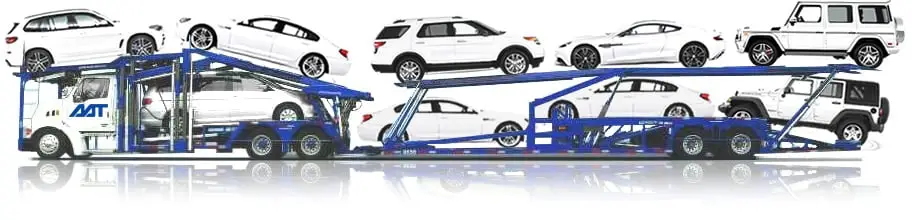
Open car transport uses an uncovered trailer. The vehicle is secured for travel but remains exposed to outdoor conditions.
Ask whether the proposed equipment accommodates your car’s dimensions, clearance, and modifications. Discuss removable accessories and preparation instructions before pickup.
Enclosed Auto Shipping
Enclosed auto shipping uses a covered trailer, providing an additional barrier against outside exposure.
If your vehicle needs special loading equipment, ask about ramps or a lift gate. Tell the provider about low clearance or unusual operating requirements.
Enclosed service does not guarantee protection against every loss, and the trailer type alone does not establish a driver’s experience or insurance coverage. Ask about those matters separately.
Request both proposals if you are undecided, using the same vehicle, dates, and locations. Compare what each includes before choosing.
How Much Does Car Transport Cost?
Your booking needs a current, vehicle-specific quote. A single nationwide price cannot describe every route, vehicle, and scheduling requirement.
Ask the provider to explain how your shipment details affect its offer. Confirm whether the amount is an estimate or a firm price and what circumstances could change it.
Use matching details when comparing auto shippers. An offer for a running sedan with flexible dates is not equivalent to one for an inoperable vehicle that must be collected on a specific day.
Review possible additional charges, including special loading, storage, unsuccessful pickup attempts, cancellation, or a change of location. Ask which are relevant to your agreement rather than assuming they all apply.
You can also read how to look for lower car shipping costs and discuss whether greater flexibility or different equipment would change the proposal.
Is the Lowest Quote a Bad Choice?
A low price is a reason to compare carefully, not automatic proof of a scam. Ask why one proposal differs substantially from the others.
Check whether the offers use the same vehicle condition, addresses, trailer type, and dates. One company may have priced a wider pickup window or omitted a detail that another included.
Ask whether a carrier is assigned, whether the price can change, and what happens if transportation cannot be arranged under the quoted terms. Request the answers in writing.
Be cautious about pressure to pay before the service is explained or refusal to identify the business receiving payment. The useful test is whether the provider offers a clear, consistent agreement you can evaluate.
Taking an average of several numbers does not establish the correct price. Compare the complete proposals and the businesses behind them.
Are Upfront Deposits Always a Scam?
No. Payment schedules differ, and an advance payment alone does not establish fraud. What matters is understanding when the charge is due, what it pays for, and whether it is refundable under defined circumstances.
Before authorizing payment, ask:
- Is this a deposit, booking fee, or part of the transportation charge?
- Who receives the money?
- When is the payment collected?
- Under what conditions can I cancel or receive a refund?
- What happens if no carrier is assigned?
- When is the remaining balance due?
Keep the agreement and receipt. Confirm the payment method accepted at delivery rather than leaving that question until the truck arrives.
If an unexpected amount is requested, compare it with the written terms and contact the company through its established contact channel. Ask for the reason and authorization for the change in writing.
Understand Pickup Windows and Delivery Estimates
There are two different scheduling periods: the time before the vehicle is collected and the time it spends traveling afterward. Ask the provider to explain both.
A pickup window describes expected collection availability. A delivery estimate describes anticipated arrival. Neither should be treated as a guaranteed appointment unless the agreement explicitly provides one.
The truck may have other pickups and deliveries. Ask how route changes, traffic, weather, or delays at earlier stops would be communicated.
If you have a flight, a seller’s release deadline, or a fixed reporting date, explain it before booking. Decide who can release or receive the car if you are unavailable during the proposed window.
For time-sensitive shipments, ask what express auto shipping would change and whether the written commitment actually meets your need.
Seasonality and Fuel: Avoid Blanket Assumptions
Do not assume winter is always cheaper, summer is always more expensive, or a statement about rising fuel prices remains current indefinitely. Request an offer for the route and dates you need.
If you can move the dates, ask for a comparison. Find out whether the quoted price is valid for a limited period and whether any adjustment clause applies after booking.
For a fuel-related charge, ask whether it is already included and what the agreement says about changes. You should understand the total pricing terms before accepting the offer.
The practical approach is to compare current proposals with matching details. A seasonal headline is background information, not a price for your vehicle.
Preparing Your Vehicle for Car Hauling
Begin by washing the exterior so existing marks are easy to see. Photograph the front, rear, both sides, wheels, glass, and visible damage. Include close-ups and wider views so each mark can be located.
Photograph the odometer and interior too. Save the original files somewhere you can access them at delivery.
Remove valuables, documents, electronics, medications, and anything needed during the move. Ask for the written belongings policy before leaving contents inside. Permission to carry items is separate from insurance for those items.
Request instructions about fuel, alarms, keys, toll tags, and removable accessories. For an electric vehicle, ask for applicable charge-level guidance rather than following fuel instructions meant for another vehicle type.
Tell the provider about leaks or mechanical problems before Car hauling begins. Supply clear written instructions if the car has unusual controls or a special starting procedure.
What to Check Before Releasing the Car
Confirm that the arriving carrier matches the assignment information. If something has changed, contact the booking provider before handing over the keys.
Review the condition report with the driver and make sure existing damage is recorded accurately. Read the completed paperwork and retain a copy. If it is digital, confirm that you can open it and access any photographs.
Request the relevant carrier insurance information before pickup and ask about coverage limits and reporting procedures. An advertising phrase such as “fully insured” is not a complete policy explanation.
Confirm the delivery contact and expected communication process. If another person will receive the car, share the pickup report and your photographs with them.
At this point, you should know who has the vehicle, how to reach the appropriate contact, and what to expect next.
What Happens at Delivery?
Arrange enough time to inspect the car when it arrives. Compare its visible condition with the pickup report and photographs before completing the final paperwork.
If you notice a new concern, photograph it and describe it specifically. Ask for the applicable reporting instructions and follow them promptly.
If darkness, weather, or dirt limits your inspection, document that limitation and ask how subsequently discovered concerns are handled. Do not assume every company follows the same reporting deadline.
Complete payment according to the agreed terms and retain the receipt and final condition report. Keep the shipment records together after delivery in case a question arises.
For someone receiving the car on your behalf, provide these instructions in advance so the inspection is not treated as a simple key exchange.
If Something Changes or Goes Wrong
Start with the facts and the written agreement. Identify what changed, when you learned about it, and what the provider has said so far.
Contact the responsible company using the details in your booking documents. Ask for a written explanation and the proposed next step. Keep messages, receipts, and updated scheduling information.
If the issue concerns damage, follow the specified claim procedure. If it concerns a payment dispute, gather the agreement and transaction records. Different problems may require different contacts or processes.
For concerns about an interstate automobile transporter or broker, FMCSA’s consumer advisory includes a complaint resource. Filing a complaint is separate from resolving a claim or obtaining reimbursement.
Avoid relying on verbal reassurances alone when an important term has changed. Clear records help everyone understand the situation.
Frequently Asked Questions for First-Time Customers
Can I Ship a Vehicle That Does Not Run?
Describe its condition before requesting service. Explain whether it rolls, steers, and brakes so the provider can assess the necessary equipment.
Can Someone Else Attend Pickup or Delivery?
Ask how to authorize a representative. Give that person the booking details, inspection records, and instructions needed to complete the handoff.
Will the Truck Come Directly to My House?
Ask the provider to assess access. If the truck cannot safely reach the address, agree on a suitable nearby meeting point where loading is permitted.
Can I Get Several Quotes?
Yes. Read each form’s privacy and contact-consent terms, choose the businesses you wish to contact, and use the same shipment details for a fair comparison.
What If I Need to Change My Dates?
Review the rescheduling terms and notify the provider promptly. Request written confirmation of the revised arrangement and any price change.
Start Your First Shipment with See Site Now
Vehicle Shipping becomes easier to understand when you know the sequence: request an accurate proposal, identify the businesses involved, review the agreement, confirm the carrier, and document the car at both ends.
Use See Site Now to begin planning your shipment. Gather your locations, vehicle details, and preferred dates, then ask the questions needed to understand the proposed service.
Request your Car shipping quote and explore an Auto Shipping arrangement that fits your vehicle and schedule. For additional preparation questions, visit the See Site Now FAQs.