




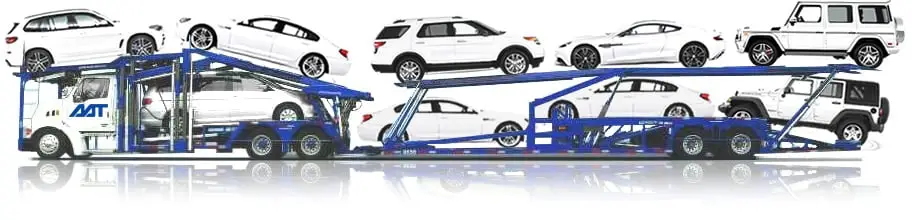

Handing your keys to a transportation driver is a significant moment. Whether you are moving a family SUV across the country, purchasing a car from an out-of-state dealership, or relocating a treasured classic, you want to know how your vehicle will be handled and what happens if something goes wrong.
Professional car transport can make a complicated move much easier. However, choosing a provider involves more than comparing prices and selecting a pickup date. Understanding insurance, documenting your vehicle’s condition, and reviewing the service agreement are equally important parts of planning a successful shipment.
This See Site Now guide explains the questions to ask about Auto Shipping insurance, how to compare transportation options, and what to do before pickup and after delivery. You will also learn how to evaluate a Car shipping quote without overlooking important details about coverage, payment, and service expectations.
Does Car Transport Automatically Include Insurance?
Never assume that every transportation booking includes identical insurance protection. A company may advertise insured service, but that phrase alone does not tell you which policy applies, what losses are covered, or how much protection is available for your particular vehicle.
There is also an important distinction between a carrier’s public liability insurance and cargo insurance relating to the vehicles it carries. The Federal Motor Carrier Safety Administration lists different financial responsibility requirements for carriers and brokers. Its filing chart lists no federal cargo insurance filing requirement for ordinary non-hazardous, for-hire property carriers. Consequently, federal registration alone should not be treated as proof that your shipped vehicle has full cargo coverage. Source: FMCSA insurance filing requirements.
Before booking, ask the provider what insurance applies to your shipment and request documentation for the carrier that will actually move your car. If coverage is described as included in the shipping price, ask what that means in writing. You need specific answers about the policy, not simply reassurance that the company is insured.
Understand Who Is Arranging and Performing the Transport
An auto transport broker arranges transportation, while a motor carrier physically moves the vehicle. A business may perform one role or both. Understanding these responsibilities helps you direct questions to the right person and identify whose documents you need to review.
FMCSA advises customers to distinguish between automobile transport brokers and carriers and verify the registration of interstate providers. A company’s marketing name should be traceable to its registered business identity. Source: FMCSA consumer advisory about automobile transporters.
When comparing Auto Shippers, ask who will dispatch the shipment, who will operate the truck, and who will handle questions during transit. If the carrier has not yet been assigned, request its details before releasing the vehicle.
A broker’s promise to help with a claim is useful customer service, but it should not be confused with an insurance policy. Ask whether any additional protection the broker advertises is actual insurance, a contractual reimbursement program, or assistance with filing paperwork. Each may come with different conditions.
What to Look for in Cargo Insurance Documents
Cargo coverage is not a universal promise to pay for every problem that occurs during a trip. Limits, deductibles, exclusions, and the circumstances of a loss matter. Progressive’s explanation of motor truck cargo insurance illustrates how policy limits and deductibles affect coverage and identifies categories of property that may be excluded. Your assigned carrier’s actual policy governs your shipment. Source: Progressive Commercial motor truck cargo insurance.
A certificate of insurance is a useful starting point. Ask for current documentation showing the carrier’s legal name, insurer, policy dates, and relevant coverage. Then ask the carrier or insurance representative to clarify anything the certificate does not explain.
Useful questions include:
- Does the policy apply to my vehicle and this route?
- Are pickup loading and delivery unloading covered?
- Does coverage continue during any planned storage or transfer?
- Is there a limit for each vehicle, each incident, or the entire load?
- What exclusions could affect a claim involving my car?
- Is there a deductible, and who is responsible for it?
- What documents and notification steps are required after damage?
If a different truck or carrier is assigned later, confirm the applicable coverage again. Documentation for the originally proposed carrier does not establish the insurance of its replacement.
Why a Policy Limit Is Not a Guaranteed Payout
A large coverage figure can sound reassuring, but it needs context. Do not divide a total policy limit by the number of cars on a trailer and assume the result is the amount allocated to your vehicle. Insurance does not necessarily work as an equal-share arrangement.
For example, a stated limit of $250,000 does not automatically mean ten vehicles each receive $25,000 in protection. Ask whether that figure represents a per-occurrence limit, a load limit, or another form of coverage. Also ask whether individual vehicle limits or other restrictions apply.
The right question is: “How would this policy respond to a covered loss involving my vehicle?” Provide the car’s approximate value and disclose modifications, custom equipment, or unusual features. If the answer is unclear, request clarification from the insurer or an authorized insurance representative before proceeding.
A hypothetical example can help frame your questions. If you are shipping a restored car valued at $90,000, ask what valuation documentation is needed and whether any applicable limit falls below that amount. Do not assume a standard vehicle description captures restoration costs or specialized components.
Will Your Personal Auto Insurance Cover Shipping Damage?
Your own auto policy may be relevant, but the answer depends on its terms and the circumstances of the loss. Contact your insurer before the vehicle leaves and explain that it will be carried by a commercial transporter.
Ask whether your policy responds to damage during loading, transit, unloading, or temporary storage. Explain whether the shipment is domestic or international and whether it involves a valuable, modified, or collectible vehicle.
You can also ask how a deductible would apply, whether you should notify your insurer immediately if damage is discovered, and what information it would need from the carrier. Request written confirmation of any important explanation.
If you identify a coverage gap, discuss available options with a licensed insurance professional. Additional protection should address a specific need. Do not purchase an unfamiliar add-on simply because its name sounds comprehensive.
Comparing Open and Enclosed Car Transport
Trailer choice and insurance are related planning decisions, but they are not interchangeable. An enclosed trailer provides a physical barrier around the vehicle; it does not automatically establish higher insurance limits or broader claim protection.
Open Transport
Open transport uses an uncovered trailer. Vehicles remain exposed to outdoor conditions, which makes this option different from moving a car inside a covered trailer. Ask how the carrier handles loading, securement, and any special requirements associated with your vehicle.
When requesting a shipping quote, describe roof accessories, oversized tires, lowered suspension, or other modifications. These details help the provider determine whether its equipment is suitable.
Enclosed Transport
Enclosed transport places the vehicle inside a covered trailer. If reducing outside exposure is a priority, ask about this option and the equipment available for your route.
For a low-clearance or restored car, discuss loading angles and whether a lift gate is available. Also ask whether the vehicle will remain on the same trailer throughout the journey.
Compare the Complete Service
Request prices for both options using the same route, vehicle details, and dates. Then compare the equipment, scheduling terms, and insurance information together. Avoid treating an enclosed trailer as a substitute for reviewing coverage or treating an open trailer as proof that a shipment is inadequately protected.
What Your Car Shipping Quote Should Explain
A useful Car shipping quote should make it easier to understand what you are buying. Along with the price, ask for a clear description of the service and the assumptions used to prepare the estimate.
Supply the pickup and delivery ZIP codes, vehicle year and model, operating condition, and preferred dates. Mention modifications and access restrictions. If the car cannot start, steer, roll, or brake normally, disclose that before accepting an offer.
Your written quote or accompanying service agreement should address:
- Open or enclosed transportation
- Pickup and delivery locations or meeting arrangements
- Estimated scheduling windows
- The stated price and circumstances that could change it
- Deposits, remaining payments, and accepted payment methods
- Cancellation and rescheduling terms
- Any separately priced optional protection
- Where to obtain the assigned carrier’s insurance information
When comparing auto shippers, use matching shipment details. A price based on flexible pickup dates is not directly comparable to an offer built around a narrow deadline. Likewise, a quote for an operational sedan may change if the actual vehicle requires special loading equipment.
Ask About Payments Before Pickup Day
Payment confusion is easier to prevent before the truck arrives. Ask who collects the deposit, who receives the final balance, and when each payment becomes due. Keep the answers with your booking confirmation.
If a broker and carrier are both involved, clarify whether you will make separate payments. Request receipts identifying the recipient and the shipment. Ask which payment methods the driver accepts at delivery so that you can prepare ahead of time.
Find out what happens if a carrier cannot be assigned, your dates change, or you cancel before pickup. Avoid relying on a broad statement such as “fully refundable” without understanding the conditions attached to it.
If anyone requests an unexpected payment, compare the request with the written agreement and contact the company through its established contact information. Clear payment records are an important part of an organized Shipping experience.
Prepare Your Vehicle Before Car Hauling Begins
Preparation starts with making the vehicle easy to inspect. Wash the exterior and photograph it in good light. Capture the front, rear, both sides, wheels, windshield, roof where safely visible, and any existing marks.
Take close-up photographs of scratches, dents, paint chips, or cracked trim. Include wider views that show where each mark is located. Keep the original image files so you retain their date information.
Photograph the odometer and interior as well. Remove valuables, documents, electronics, and loose accessories. Ask the carrier for instructions regarding fuel level, alarms, toll tags, keys, and removable exterior equipment.
Tell the transportation team about fluid leaks, starting difficulties, battery issues, or other problems that could complicate loading. A short written explanation of unusual operating instructions can be helpful for a specialized vehicle.
Do not leave important details until the driver arrives. Preparing accurate information in advance gives the provider an opportunity to arrange suitable Car hauling equipment and discuss any change to the booking.
Can You Leave Personal Items in the Vehicle?
Do not assume that permission to ship the vehicle includes permission to pack it with belongings. Ask the assigned carrier for its written policy on personal items, including any weight, placement, or content restrictions.
Permission and insurance are separate questions. Even if a carrier allows certain belongings, ask whether those items are insured. Also ask how loose contents could affect a claim involving interior damage.
Avoid using the vehicle as an extra moving container without agreement. Household possessions can add weight, obstruct the driver’s view, interfere with loading, or shift during the trip.
Keep identification, medication, money, jewelry, and irreplaceable items with you. If the provider permits limited contents, follow its instructions and document what remains inside. For furniture or a larger household move, arrange a service designed for those goods.
Make the Pickup Inspection Count
The pickup inspection creates a record of the vehicle’s visible condition before transport. Review the inspection report or bill of lading with the driver and make sure existing damage is recorded accurately.
Do not sign a blank report or accept an unreadable copy. If the process is digital, request access to the completed record and any associated photographs. Save them somewhere you can reach easily at delivery.
Confirm that the vehicle information is correct and that you know which company is taking possession. Ask who to contact for transit updates and delivery coordination.
If another person is releasing the vehicle for you, explain the inspection process beforehand. Give that person the booking details and your preparation photographs. They should have enough information to notice discrepancies and ask questions before signing.
Inspect Carefully When the Vehicle Arrives
Arrange to inspect the vehicle before the driver leaves. Walk around it and compare its condition with the pickup report and photographs. Look at the wheels, glass, bumpers, body panels, and accessible exterior surfaces.
Use good lighting wherever possible. If darkness, rain, or heavy dirt limits your inspection, document that limitation on the delivery paperwork and ask immediately about the process for reporting subsequently discovered damage.
Record any new concern specifically. A description such as “new scrape on left rear bumper” is more useful than a general note that the vehicle looks different. Take photographs showing both the detail and its location.
Read the delivery document before signing and request a copy of the final report. Follow the provider’s written reporting requirements promptly; do not assume every company or policy uses the same deadline.
What to Do If You Discover Damage
If something appears wrong, start by organizing the facts. Document the issue, notify the carrier, and contact the broker if one arranged the shipment. Ask for written claim instructions and the relevant insurer’s contact information.
Gather your booking agreement, pickup report, delivery report, photographs, payment records, and correspondence. Keep a simple timeline showing when the vehicle was collected, delivered, inspected, and reported.
Ask what repair estimates or additional evidence are needed before arranging work. If immediate action is necessary to prevent further damage, document the circumstances and seek instructions promptly.
Avoid assuming that every repair will automatically be reimbursed. Coverage and responsibility must be evaluated under the relevant policy, contract, and circumstances. If a claim is denied, request the explanation in writing and discuss the next steps with your insurer or an appropriate professional.
Throughout the process, keep communications specific and factual. Clear records make it easier for everyone involved to understand the issue and respond.
Extra Questions for International Auto Shipping
International auto shipping may involve several transportation stages, including inland trucking, port handling, ocean travel, and destination delivery. Do not assume that one domestic carrier’s insurance applies to every stage.
Ask who is responsible for the vehicle during each handoff and what coverage applies while it is waiting at a terminal or port. Request clarification about any separate marine cargo insurance and how claims would be handled outside the United States.
Also ask for written information about documents, vehicle preparation, customs arrangements, storage charges, and destination requirements. Obtain details for the actual route instead of relying on general domestic shipping advice.
Keeping the itinerary and the coverage information together can help you identify unanswered questions before the vehicle begins its journey.
Frequently Asked Questions About Auto Shipping Insurance
Is insurance always included in the shipping quote?
Ask the provider to identify what is included. An advertised price does not, by itself, establish the type or amount of coverage. Request the assigned carrier’s insurance information and clarification about any separately priced protection.
Does enclosed shipping guarantee full coverage?
No. A covered trailer and an insurance policy perform different functions. Review the coverage even when choosing enclosed service, particularly for a valuable or modified vehicle.
Should I choose the cheapest Car Transport offer?
Compare the written service details before deciding. Look at scheduling, equipment, payment terms, carrier identity, and insurance information alongside the price. Ask the company to explain anything missing from the offer.
What if the carrier changes after I book?
Request the replacement carrier’s identity and current insurance information before releasing the vehicle. Confirm that the agreed equipment and service arrangements still apply.
Can someone else receive my vehicle?
Ask the provider how to authorize a representative. Give that person the pickup condition report, photographs, delivery instructions, and payment details so they can inspect the vehicle and complete the paperwork carefully.
Plan Your Vehicle Shipping with See Site Now
A well-planned shipment begins with clear questions. Before choosing a provider, understand who will move your vehicle, which coverage applies, how payment works, and what you need to document at pickup and delivery.
Use this See Site Now guide as a reference when reviewing your options. Gather your vehicle details, decide what matters most about the schedule and trailer, and request a Car shipping quote that reflects those needs.
Professional vehicle transport involves several moving parts, but your preparation can remain straightforward: compare the complete offer, verify the assigned carrier, review the coverage, and save your records. These steps help you make a more informed booking and prepare for the journey ahead.
Ready to arrange your next move? Start with a personalized shipping quote and bring these questions to the conversation. A clearer understanding of Auto Shipping insurance can help you choose with confidence.