




Moving a vehicle from one location to another does not need to be stressful. Whether you are relocating across the country, buying a vehicle online, sending a car to a college student, preparing for a seasonal move, or transporting a valuable collector model, professional Car Transport can save you time, mileage, and unnecessary worry.
At See Site Now, the goal is to help customers understand the vehicle transportation process and make informed decisions. A dependable transportation provider should do more than arrange for a truck. It should explain your options, communicate clearly, help you prepare your vehicle, and give you confidence from pickup through delivery.
This guide explains how car transport works, what affects the price, how open and enclosed service differ, what to expect during pickup and delivery, and how to request a reliable Car shipping quote. If you have never shipped a vehicle before, the process may seem complicated at first. Once you understand the basic steps, however, arranging professional vehicle Shipping becomes much easier.
Why Use Professional Car Transport?
Driving a vehicle to its destination may sound simple, but a long-distance trip can involve much more than fuel. Travelers may also face hotel bills, meals, tolls, time away from work, weather delays, mechanical wear, and hundreds or thousands of additional miles on the odometer. There is also the physical strain of spending long hours behind the wheel.
Professional Car Transport removes many of those challenges. Instead of planning an entire road trip around the vehicle, you can have it collected near its current location and delivered near the destination. This option is especially helpful for families coordinating a major move, military personnel receiving new orders, dealerships transferring inventory, online buyers purchasing from another state, and seasonal residents traveling between homes.
Using a professional transport service may also make sense when the vehicle is not suitable for a long drive. A classic car, performance vehicle, restored truck, low-mileage model, or non-operational automobile may require special handling. Experienced Auto Shippers can help match the vehicle with an appropriate trailer and service level.
How the Auto Shipping Process Works
The Auto Shipping process generally includes five main stages: requesting a quote, selecting a service, scheduling pickup, transporting the vehicle, and completing delivery. Understanding each stage will help you know what information to provide and what questions to ask.
1. Request a Car Shipping Quote
The process begins with a Car shipping quote. To prepare an estimate, a transportation provider will usually need the pickup and delivery locations, vehicle year and model, operational condition, preferred timeframe, and type of trailer requested.
Accurate information matters. A large pickup truck occupies more trailer space than a compact sedan. A vehicle that does not run, steer, or brake may need additional equipment. A remote pickup point can also require more planning than a location near a major interstate. Providing complete details at the beginning helps produce a more realistic shipping quote and reduces the likelihood of surprises later.
2. Choose Open or Enclosed Transport
Most customers choose between open and enclosed transport. Open trailers are the most widely used option and generally provide the best value. Enclosed trailers offer additional protection from weather, road debris, and outside exposure. The right choice depends on the vehicle, the route, the budget, and the owner’s preferences.
3. Schedule Pickup
After accepting the service terms, the customer and transportation team arrange a pickup window. Vehicle shipping schedules often use a window instead of an exact minute because drivers must account for traffic, weather, loading time, federal driving limits, and other stops along the route.
4. Inspect and Load the Vehicle
At pickup, the driver and customer inspect the vehicle and record its visible condition on a bill of lading or inspection report. Both parties should review the report carefully. The vehicle is then loaded and secured to the trailer using equipment appropriate for the trailer and vehicle.
5. Receive and Inspect the Vehicle
At delivery, the customer should inspect the vehicle again before signing the final paperwork. Comparing its condition with the pickup report is an important part of the process. Any concern should be documented immediately and handled according to the carrier’s procedures and applicable service terms.
Open Car Transport: The Most Popular Choice
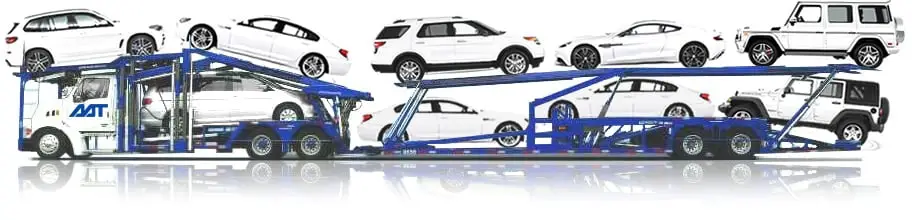
Open car transport is the method most drivers see on highways every day. Vehicles are loaded onto a multi-level open trailer and transported with other cars headed in the same general direction. Because one carrier can move several vehicles at once, the cost is distributed among multiple customers.
This makes open Car hauling an economical and efficient solution for many standard vehicles, including family sedans, SUVs, pickup trucks, vans, and dealership inventory. It is commonly used for both short-distance and cross-country moves.
Open trailers do expose vehicles to normal outdoor conditions. Rain, dust, insects, and road grime may reach the vehicle during transit. That does not mean open transportation is an unsafe choice. It remains the standard method used throughout the automotive industry. Customers who want greater protection from outside exposure, however, may prefer enclosed service.
Enclosed Auto Shipping: Added Protection for Special Vehicles
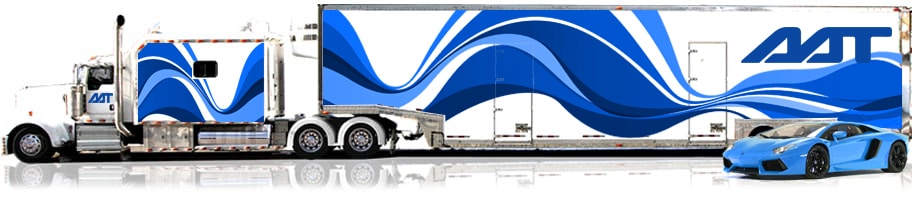
Enclosed auto shipping places the vehicle inside a covered trailer. This provides an extra barrier against rain, snow, dust, road debris, and public visibility. It is frequently chosen for classic cars, exotic models, luxury vehicles, prototypes, restored automobiles, race cars, and vehicles with sentimental or unusually high value.
Enclosed trailers generally carry fewer vehicles than open carriers, so the service often costs more. Specialized loading equipment, limited capacity, and higher operating expenses also contribute to the price. For many owners, the added protection and privacy are worth the additional expense.
Some enclosed trailers offer lift-gate loading, which may be helpful for low-clearance vehicles. If your car has a modified suspension, aerodynamic components, oversized tires, or limited ground clearance, tell the transportation provider before booking. The more the Auto Shippers know about the vehicle, the better they can determine which equipment is appropriate.
What Determines the Cost of Car Shipping?
There is no single price for every shipment. A Car shipping quote is calculated using several changing factors, including distance, vehicle dimensions, trailer type, route, season, fuel expenses, pickup flexibility, and current carrier availability.
Distance and Route
Longer trips usually cost more overall, although the cost per mile may decrease on long, well-traveled routes. A shipment between two major metropolitan areas may be easier to schedule than one involving isolated rural locations. If a large truck cannot safely reach a residential street, the driver and customer may need to meet in a nearby parking area with adequate space.
Vehicle Size and Weight
Large and heavy vehicles take up more trailer capacity and contribute more weight to the load. For that reason, transporting a large SUV, extended pickup, cargo van, or heavy-duty truck will often cost more than transporting a compact car. Oversized or modified vehicles may require special arrangements.
Vehicle Condition
A vehicle that starts, steers, rolls, and brakes is generally easier to load. An inoperable vehicle may need a winch or other equipment, which can affect the shipping quote. Always disclose the vehicle’s condition accurately, even if the issue seems minor.
Open or Enclosed Service
Open Auto Shipping is usually more affordable because open carriers can transport more vehicles. Enclosed service costs more because capacity is limited and the equipment provides greater protection.
Time of Year
Demand changes throughout the year. Snowbird routes, holiday periods, severe winter conditions, major weather events, and busy moving seasons can affect availability and pricing. Flexible dates may help the transportation team find a practical option.
Speed and Scheduling Flexibility
Expedited pickup or delivery may carry a premium because it limits scheduling options. Customers with flexible pickup and delivery windows may have access to more carrier availability. When comparing estimates from auto shippers, confirm whether the price is based on standard or expedited service.
Why a Shipping Quote Is an Estimate
A vehicle shipping quote is normally based on the information available when the request is submitted. Fuel prices, carrier availability, weather, seasonal demand, and route conditions can change. The initial estimate should explain the anticipated price and the assumptions used to calculate it.
When comparing quotes, look beyond the lowest number. An unusually low estimate may not include the same service level, timing, insurance requirements, or fees as another offer. Ask what is included, whether the price may change, when payment is due, and what happens if the schedule changes.
A trustworthy company should communicate openly. It should not pressure you to accept a vague offer or avoid reasonable questions about the service. The best value comes from a balance of fair pricing, suitable equipment, dependable communication, and professional handling.
Door-to-Door Vehicle Shipping
Door-to-door Shipping means the carrier attempts to collect and deliver the vehicle as close as safely and legally possible to the requested addresses. It does not always mean the truck can stop directly in front of a home. Large carriers need room to turn, load, and unload, and they may be restricted on narrow streets, roads with low branches, residential communities, or areas governed by local truck regulations.
When direct access is not practical, the driver may arrange a nearby meeting point. Large retail parking lots or other open areas are often useful, provided the property permits it and the site is safe. Clear communication helps prevent last-minute confusion.
Door-to-door car transport is convenient because it reduces the need to travel to a distant terminal. For customers managing a relocation or tight schedule, that flexibility can make the overall move much easier.
Common Reasons People Ship Vehicles
Customers arrange Car hauling for many personal and commercial reasons. Relocation is one of the most common. A household may have multiple vehicles but only one available driver, or family members may prefer to fly while their vehicles travel separately.
Online vehicle purchases are another major reason. Buyers can now find cars at dealerships, auctions, and private sellers far outside their local area. Professional transport allows the buyer to complete a long-distance purchase without making a second trip solely to retrieve the vehicle.
Other common situations include:
- Military relocations and permanent-change-of-station moves
- College students moving to or from campus
- Seasonal travel between northern and southern states
- Dealership transfers and customer deliveries
- Auction purchases and sales
- Classic-car shows and automotive events
- Corporate relocations
- Vacation or extended-stay transportation
- Moving motorcycles, golf carts, boats, or specialty vehicles
Each shipment has different requirements. A daily-use sedan does not necessarily need the same service as a restored classic or non-operational project car. See Site Now can help customers identify the questions they should ask before arranging service.
How to Prepare a Vehicle for Transport
Proper preparation supports a smooth pickup and delivery. Begin by washing the exterior so existing scratches, dents, and marks are easier to see. Take clear, time-stamped photographs from several angles, including close-ups of any pre-existing damage.
Remove loose accessories and secure items such as spoilers, antennas, removable racks, and convertible tops. Check for fluid leaks and tell the provider about mechanical problems. Leave only the amount of fuel recommended by the carrier—often about one-quarter of a tank—because additional fuel adds unnecessary weight.
Disable alarms, remove toll tags if instructed, and make sure the tires and battery are in reasonable condition. Provide the keys needed to operate and access the vehicle. Fold in mirrors when appropriate and remove custom exterior accessories that could detach during transit.
Personal belongings require special attention. Many vehicle carriers are not licensed or insured to move household goods, and personal items may not be covered if lost or damaged. Extra contents can also add weight or create safety concerns. Ask the provider for its written policy before placing anything inside the vehicle. Do not assume that belongings are permitted simply because there is room in the trunk.
Finally, keep medications, identification, important paperwork, cash, electronics, jewelry, and irreplaceable items with you. These should never be left in a vehicle during auto shipping.
Questions to Ask Auto Shippers Before Booking
Not all Auto Shippers offer the same experience. Asking direct questions can help you compare service, avoid misunderstandings, and select an option that fits your vehicle.
Consider asking:
- Is the company acting as a broker, a carrier, or both?
- What services are included in the quoted price?
- Is the quote subject to change, and under what circumstances?
- What pickup and delivery windows should I expect?
- Is open or enclosed transportation recommended for my vehicle?
- What insurance documentation applies to the shipment?
- How are vehicle inspections handled at pickup and delivery?
- Can I receive status updates while the vehicle is in transit?
- What is the policy for personal belongings?
- What cancellation, delay, and refund terms apply?
- What payment methods are accepted, and when is payment due?
- Who should I contact if I have a question during transit?
Get important promises in writing. Review the order confirmation, bill of lading, insurance information, and terms before releasing the vehicle. Written documentation protects everyone by establishing what was agreed upon.
Understanding Pickup and Delivery Timeframes
Customers often ask exactly how long car shipping will take. Transit time depends on mileage, route, number of scheduled stops, traffic, weather, road closures, truck inspections, and federal driving-hour requirements. Pickup timing also depends on when an appropriate carrier is available near the origin.
A transportation window is more realistic than a guaranteed minute-by-minute schedule. Cross-country Car Transport commonly requires more time than a regional move, and remote routes can take longer to coordinate. A responsible provider should explain the estimated timeline while acknowledging the variables that are outside a driver’s control.
Keep your phone available around the pickup and delivery periods. If you cannot be present, arrange for a trusted adult who is authorized to release or receive the vehicle, inspect it, and sign the paperwork.
Shipping More Than One Vehicle
Families, businesses, dealerships, and collectors sometimes need to move several vehicles at once. Coordinating them together may simplify scheduling and, in some situations, improve overall pricing. The available savings depend on vehicle sizes, pickup and delivery locations, trailer capacity, and timing.
Tell the provider about every vehicle when requesting the initial shipping quote. Include accurate details for each one. Do not assume that two vehicles can always travel on the same truck; the carrier must consider weight limits, dimensions, route efficiency, and other scheduled loads.
Commercial customers may need recurring Car hauling for dealership inventory, fleet vehicles, auctions, business relocations, or customer deliveries. A clear process for submitting vehicle details and receiving updates can make recurring transportation easier to manage.
Avoiding Common Auto Shipping Mistakes
One common mistake is choosing a provider based only on the lowest estimate. Price matters, but communication, service terms, carrier qualifications, and appropriate equipment matter too. Compare the complete offer rather than one number.
Another mistake is providing incomplete information. Modifications, oversized tires, roof racks, low ground clearance, inoperable condition, or changes to pickup timing can affect the service. Accurate details allow the team to plan correctly.
Customers should also avoid waiting until the last possible moment. Although expedited transport may be available, additional scheduling time gives the provider more options. Book early when moving during busy seasons or when the vehicle must arrive near a specific event.
Finally, do not skip the inspections. Photos and signed condition reports create a clear record. Take your time at pickup and delivery, even if everyone is eager to finish.
Making Car Shipping Easier with See Site Now
The best vehicle transportation experience begins with accurate information and realistic expectations. At See Site Now, customers can learn about available options, compare the factors that influence pricing, and take the next step toward arranging dependable Auto Shipping.
Whether you are moving a single car, coordinating multiple vehicles, purchasing from an out-of-state dealership, or seeking extra protection for a special automobile, the right plan can make all the difference. Start by gathering the pickup and delivery locations, vehicle details, preferred timeframe, and trailer preference. Then request a Car shipping quote that reflects your actual needs.
Professional auto shippers help reduce the time and strain associated with a long-distance drive. They coordinate equipment, routes, loading, and delivery so customers can focus on the rest of their move or purchase. No transportation service can eliminate every possible delay, but careful preparation and consistent communication can make the experience far more predictable.
Request Your Car Shipping Quote Today
When you need reliable Car Transport, do not leave the details until the last minute. Explore your options through See Site Now and request a personalized shipping quote based on your vehicle, route, schedule, and preferred type of service.
From standard open car transport to enclosed protection for valuable vehicles, professional Shipping can give you a convenient alternative to a long road trip. With the right preparation and a qualified transportation provider, moving your car, truck, SUV, van, motorcycle, or specialty vehicle can be straightforward from beginning to end.
Let See Site Now help you take the next step. Request a quote, review the service details carefully, and choose the transportation option that fits your needs. Safe, organized, and convenient vehicle shipping starts with good information—and now you know what to expect.
Service availability, transit times, pricing, coverage, and carrier policies vary by route and provider. Review all current terms and insurance documents before booking.